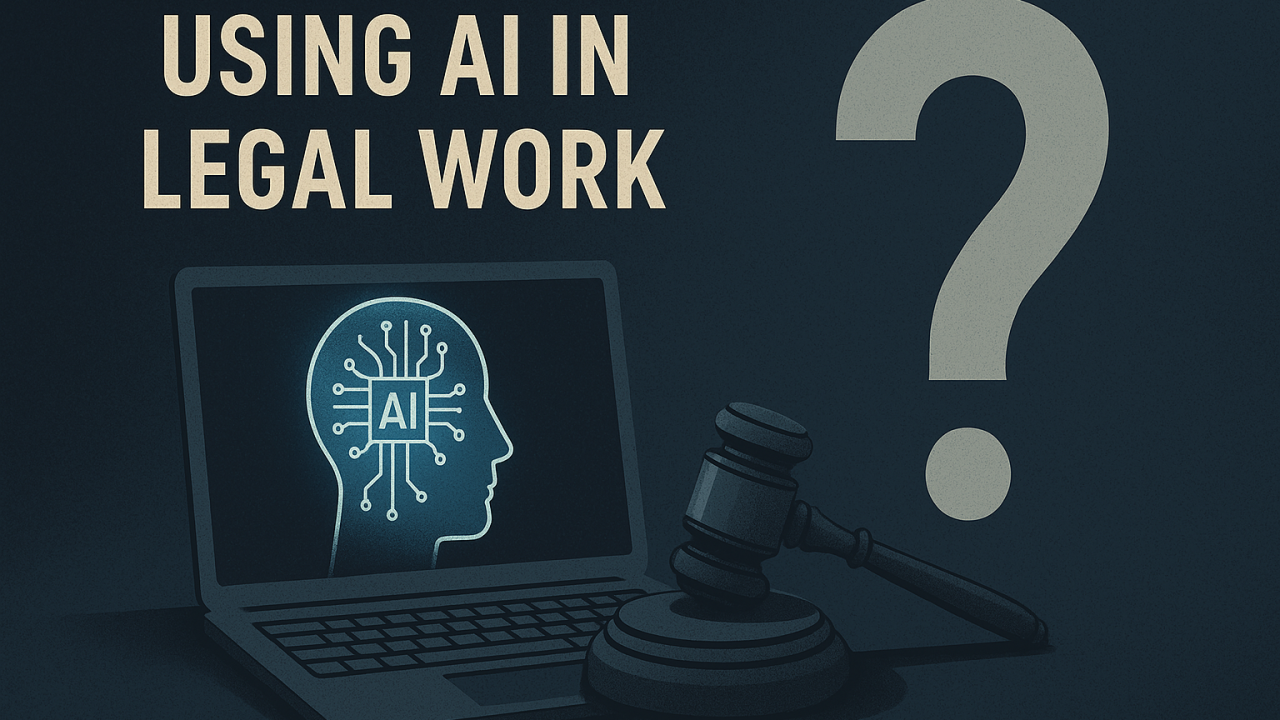
AI TECHNOLOGY
The Future of Legal Work: How AI Is Transforming the Legal Profession
JUL 10, 2026•6 MIN READ
Read More →As artificial intelligence becomes increasingly integrated into legal practice, the legal profession faces important ethical considerations that must be carefully addressed. The adoption of AI tools brings tremendous benefits, but it also raises questions about professional responsibility, client confidentiality, and the duty of competence.
Legal professionals have a fundamental duty to provide competent representation to their clients. This duty extends to understanding and properly utilizing the tools and technologies that can enhance legal services. However, with AI, this responsibility becomes more complex.
Lawyers must understand the capabilities and limitations of AI tools they use. This includes:
The use of AI tools often involves processing sensitive client information. Legal professionals must ensure that:
The question of when and how to disclose AI usage to clients and courts is evolving. Best practices include:
While not always required, transparency with clients about AI usage can build trust and ensure informed consent for legal strategies.
Some jurisdictions are beginning to require disclosure of AI assistance in court filings, particularly for document generation and research.
AI should augment, not replace, human judgment. Essential practices include:
AI systems can perpetuate or amplify existing biases present in training data. Legal professionals must:
The regulatory environment for AI in legal practice is rapidly evolving. Legal professionals should:
The ethical use of AI in legal practice requires ongoing attention and adaptation. As technology evolves, so too must our understanding of professional responsibilities. By proactively addressing these ethical considerations, the legal profession can harness the benefits of AI while maintaining the highest standards of professional conduct.
The future of legal practice will be shaped by how well we balance innovation with ethical responsibility. This balance is not just about compliance—it's about maintaining public trust in the legal system and ensuring that AI serves the cause of justice.